"Pipe burst under the kitchen overnight. They answered right away, pulled the water, and had dryers running the same night — then dealt with my insurer directly."
24/7 Emergency Response
Mold Removal & Remediation in Smyrna, GA
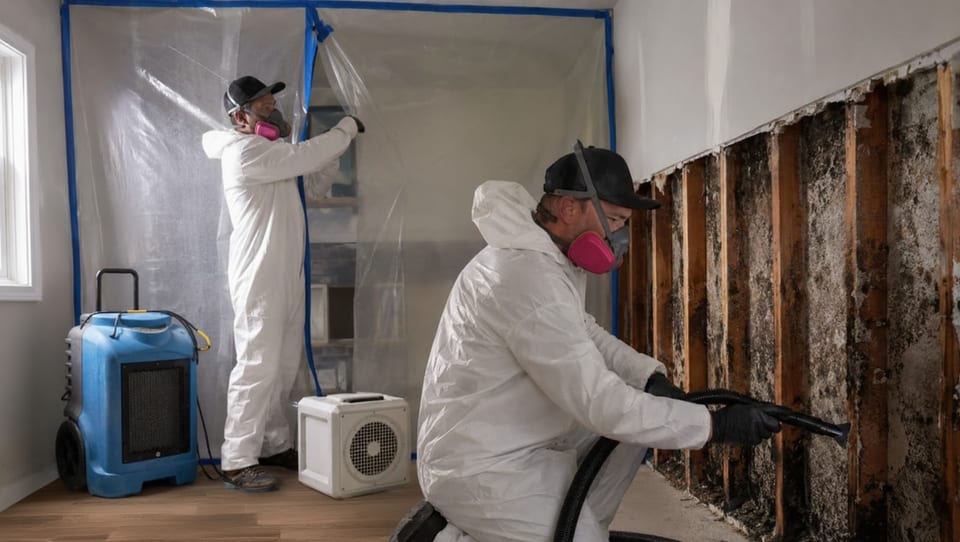
- Contained removal under negative air — spores stay put
- The moisture source fixed, so it doesn't grow back
- Worked to the IICRC S520 remediation standard
What's included
Remove the mold, then remove the reason it grew
Killing surface mold with a spray bottle leaves the roots and the moisture that feeds them, so it comes back within weeks. Proper remediation does the opposite: contain the area so spores don't spread, remove the colonized material, treat what stays, and correct the water problem underneath. In Georgia's humidity that last step matters most — without it, you're re-cleaning the same wall every season.
- Mold inspection & moisture mapping
- Containment with negative air machines
- HEPA air scrubbing throughout
- Removal of colonized drywall & trim
- HEPA vacuuming of framing & surfaces
- Antimicrobial & antifungal treatment
- The moisture source corrected
- Post-remediation verification
Why mold moves fast here
Georgia's humidity and Smyrna's basements
Mold needs moisture, a food source, and time. In metro Atlanta's humid-subtropical climate, two of those three are handed to it. Indoor humidity climbs through the summer, and mold can begin colonizing damp drywall, carpet pad, and framing within 24 to 48 hours of a water event — faster than in a dry climate. That window is why we push drying so hard after any leak.
Finished basements are the highest-risk spot in a Smyrna home. They're enclosed, naturally cooler, and prone to taking on water from summer downpours, foundation seepage, or a failed sump pump. Add a slow leak behind a basement bathroom or a humid storage room, and you have ideal conditions for mold to spread behind the drywall before anyone smells it. We treat basement mold as a moisture problem first — find where the water is coming from, dry it, then remediate — because cleaning the visible growth without that step just resets the clock.
How it works
From your call to a dry house — four steps
1
Call us
A real person answers 24/7 and dispatches the nearest crew across Smyrna and the metro.
2
On-site assessment
We inspect, take moisture readings, and walk you through the scope and cost before any work starts.
3
Extract & dry
Water out, drying equipment in, monitored daily until the structure reads genuinely dry.
4
Insurance handled
We document everything, bill your carrier directly, and restore what was removed.
What it's like to work with us
Reviews
Google Business Profile
"Our basement took on water after a storm. They showed me the moisture readings each day, and there was no musty smell afterward."
"Honest about what could be saved and what couldn't. The final invoice matched the scope they walked me through up front."
We work with your insurer
We document the loss, write a scope your adjuster can read, and bill major carriers directly — so your claim moves while we focus on getting your home dry.
State Farm
Allstate
Nationwide
USAA
Farmers
Liberty Mutual
Travelers
GEICO
Why neighbors call us first
One local crew — from the first call to a dry home
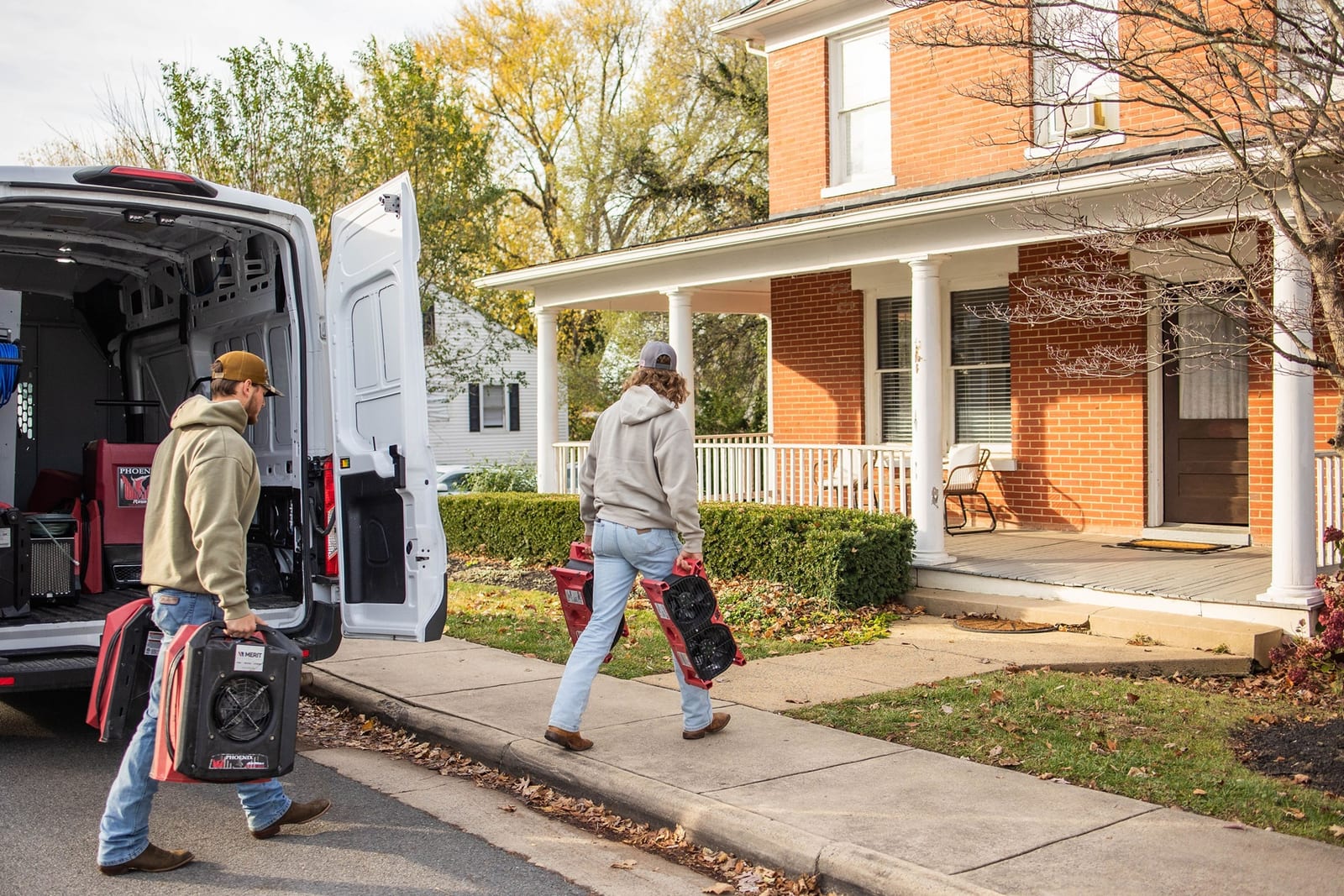
The same Smyrna-based team answers your call, finds and stops the water, dries the structure to a verified reading, and bills your insurer directly — no handoffs, no out-of-state call center.
- A real person answers, live — 24/7
- Measured drying to a verified moisture reading
- Clear scope and cost up front, no surprises
- We restore, not just dry — drywall, floors, finishes
- We bill your insurer directly
Credentials
Certified and licensed for the work — not just confident about it


IICRC-certified technicians and an IAQA member firm — credentialed for water-damage restoration and mold remediation to recognized industry standards.
Water spreading right now?
Don't wait for it to reach the subfloor and turn into mold. A Smyrna technician answers 24/7 and can be on the way fast.
Call (470) 470-5949Mold removal & remediation in Smyrna, GA
Mold is the quiet aftermath of a water problem. A leak gets cleaned up, the floor looks dry, and weeks later there's a musty smell in the basement, a dark patch creeping up a closet wall, or a tenant complaining of headaches. In metro Atlanta's humidity, that progression is common — which is why Jonquil City Pro handles mold removal and remediation across Smyrna and Cobb County to the IICRC S520 standard, the industry reference for how mold should be safely contained and removed. If you've found mold, or you suspect it after a leak you thought was handled, call (470) 470-5949.
Mold inspection & testing
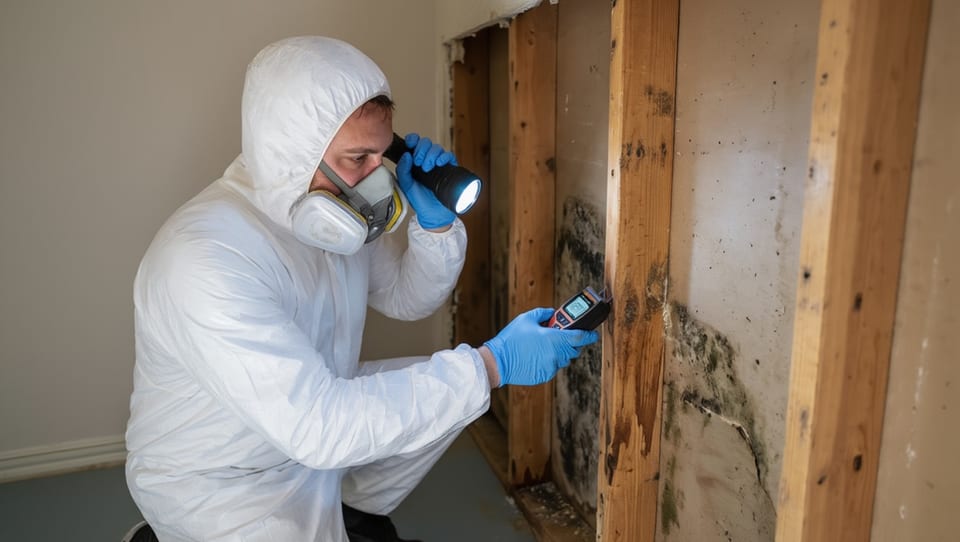
We start by looking and measuring, not by tearing out walls. A technician inspects the visible growth, checks the areas that hide it — behind baseboards, under flooring, inside closets and HVAC returns — and uses moisture meters and, where useful, a thermal camera to trace where the water is coming from. When the situation calls for it, samples can be sent to an independent lab to identify what's growing and confirm clearance afterward. The goal of inspection is a clear picture of how far the mold has spread and what's feeding it, so the removal scope is accurate rather than guesswork.
Our containment & removal process
Once the scope is set, we seal the work area with plastic sheeting and run negative-air machines so spores can't drift into clean rooms while we work — the single most important step, and the one DIY cleanups skip. HEPA air scrubbers filter the air throughout. Colonized drywall, trim, and unsalvageable porous materials come out and are bagged for disposal. Framing, subfloor, and surfaces that stay are HEPA-vacuumed and treated with an antimicrobial. Then we fix the moisture source — the leak, the seepage, the humidity — and dry the structure with the same equipment we use on a water loss. When porous material has been removed and the area is dry and treated, a final verification confirms the work is done.
Black mold: risks and safe removal
"Black mold" usually refers to Stachybotrys chartarum, a greenish-black mold that grows on chronically wet, cellulose-rich materials like soaked drywall and ceiling tile. People rightly worry about it, and it does belong to a small group of molds that can affect sensitive individuals. But the safe response is the same regardless of color or species: contain it, remove it under negative air with proper PPE, and stop the moisture. We don't try to scare you with a species name — we treat any significant indoor mold growth seriously and remove it the right way. Disturbing it yourself, by contrast, sends spores airborne through the house, which is exactly what containment prevents.
Serving Smyrna & the surrounding metro
We remediate mold for homeowners across Smyrna and the nearby Atlanta metro — Vinings, Mableton, Austell, Powder Springs, Marietta, Kennesaw, Atlanta, Sandy Springs, and the surrounding communities. Most mold jobs tie back to a water loss your insurance may cover, and we document the work for your claim. If you've spotted mold or smell it after a leak, call (470) 470-5949 and we'll take a look.